A world better prepared against diseases
23/10/2026
World Prostate Cancer Awareness Month
02/11/2026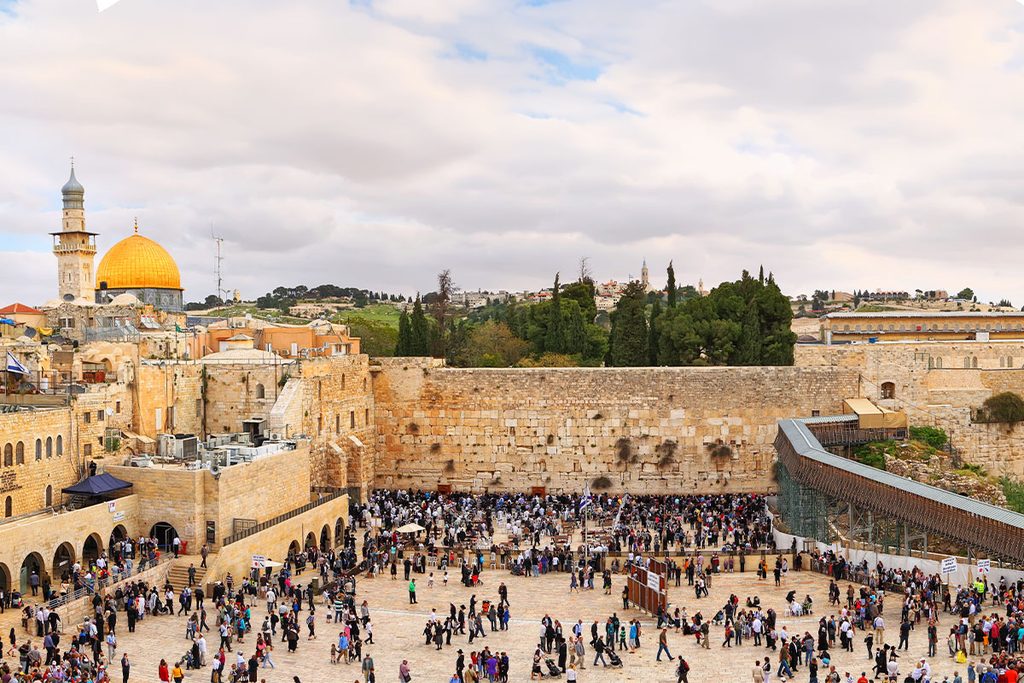
By Carlos Fernandes, from Ongrace
COMPARTILHE
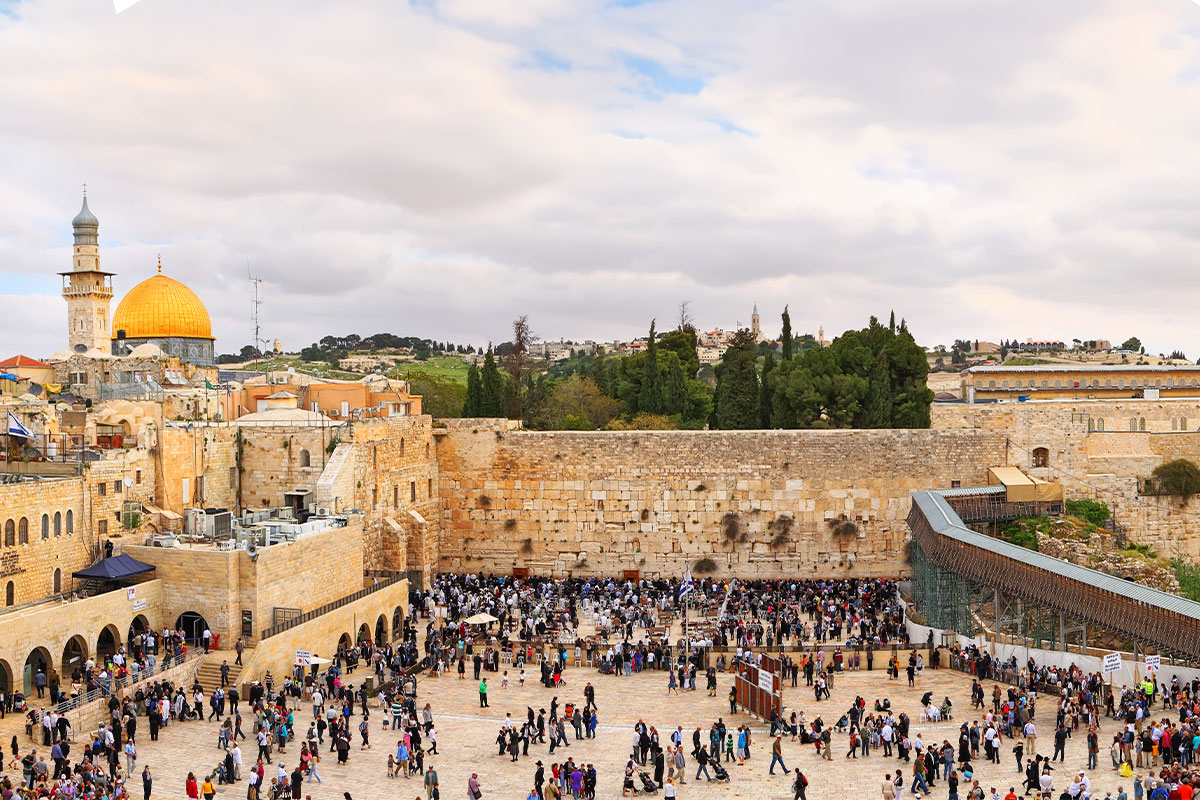
Increasing the number of tourists visiting the Holy Land is the goal of Israel’s Ministry of Tourism — and of a partnership established with Brazilian companies and travel agencies. On October 14, a meeting between Israeli officials and Brazilian tourism industry representatives set a target of increasing international arrivals to Israel to 7 million visitors by 2030. The plan calls for investment in tourism infrastructure, expanded hotel capacity and the modernization of attractions to meet demand.
After a record 4.5 million foreign tourists in 2019 — before the pandemic and the outbreak of the conflict with the extremist group Hamas — the figure fell to 1.3 million last year. During the meeting with Brazilian tour operators in São Paulo, Yoseph Penhos, director and representative of Israel’s Ministry of Tourism for Spain and Latin America, said the strategy is among the Israeli government’s current priorities, given the strong appeal of religious tourism in Brazil and the large number of organized pilgrimage groups.
Among the project’s priorities, Penhos highlighted expanding cooperation with Brazil’s tourism industry through events, training and promotional initiatives. The forecast calls for 1,200 new hotel rooms by 2028, with an investment of 174 million shekels (approximately 280 million Brazilian reais) in tourism infrastructure. Announced by Israel’s Ministry of Tourism in February 2026, the funding covers 58 projects across the country aimed at developing and modernizing tourism offerings for various types of visitors — encompassing not only religious experiences but also cultural, culinary and leisure activities.
According to ministry statistics, 80% of foreign tourists visiting the Holy Land pass through or stay in Jerusalem, a city that is home to many of Christianity’s sacred sites and places that, according to tradition, Jesus visited during His time there. The idea is to combine pilgrimages to the Holy City with cultural destinations, nightlife and culinary experiences, including other regions such as the Red Sea resorts, the area surrounding the Sea of Galilee and the Jordan River Valley, as well as cosmopolitan Tel Aviv and other notable destinations.