
Third Edition of Grande Ajuntamento Brings IIGD Members Together in Itapuã, Bahia
18/11/2026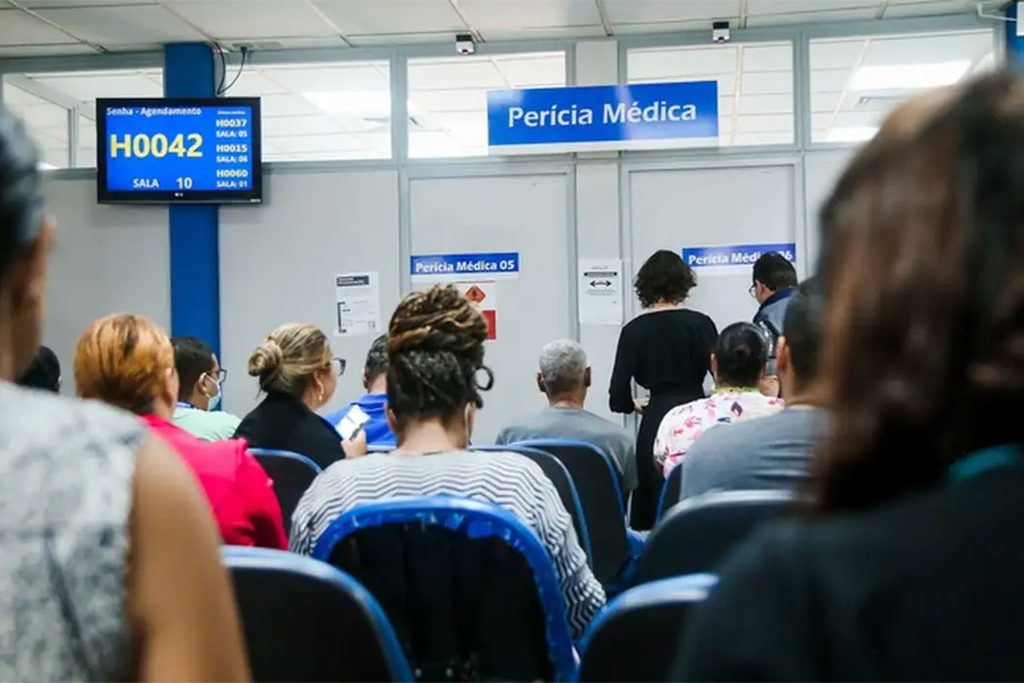
By Carlos Fernandes, from Ongrace
COMPARTILHE
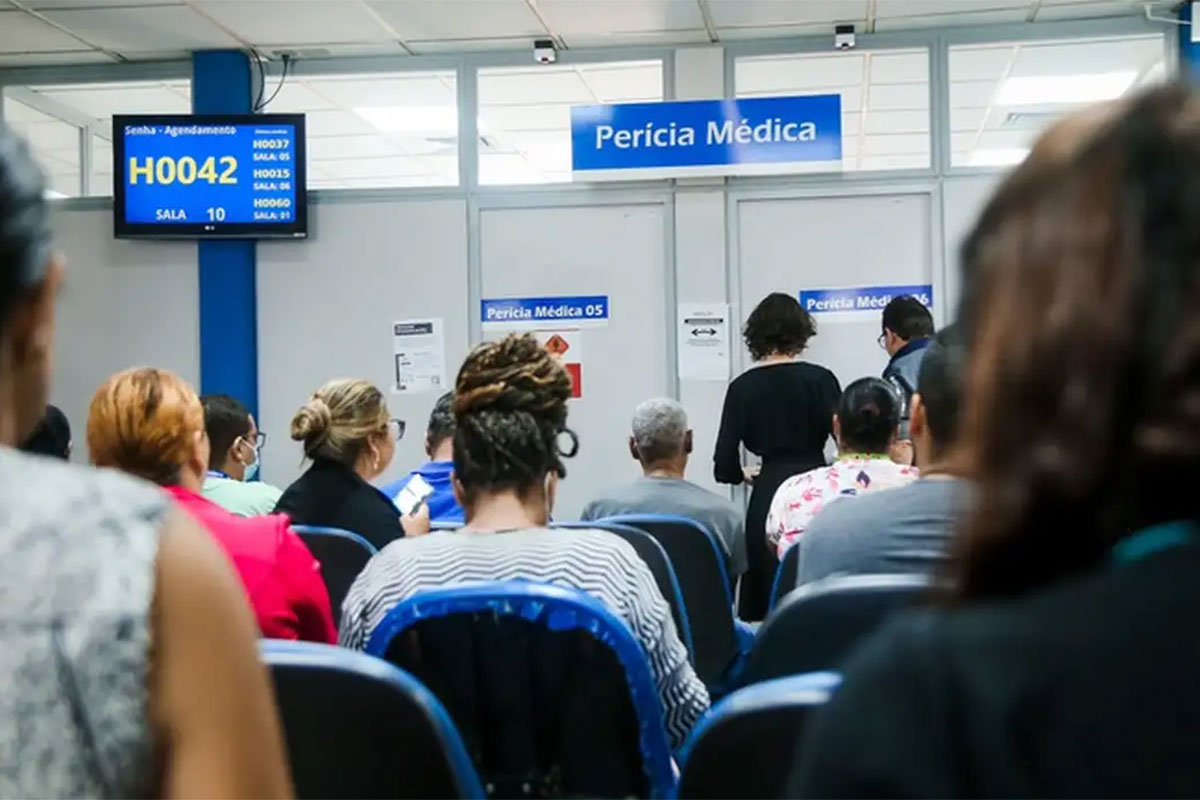
Insured individuals covered by the National Institute of Social Security (INSS) should take note of the new rules for granting temporary disability benefits, formerly known as sickness benefits. The agency, which administers benefits under Brazil’s General Social Security System (RGPS), has changed the procedure for reviewing documents, such as medical reports, doctors’ notes and examinations, as part of the benefit approval process. The amount ranges from the current minimum wage of 1,621 Brazilian reais to the INSS benefit ceiling of approximately 8,400 reais.
The measures took effect on November 6. They provide that if a benefit is initially denied based on the document review, the applicant may request a new review within 10 days of being notified of the decision and submit additional medical reports. If the benefit is denied again, the insured individual must be referred for a medical examination. Temporary disability benefits are available to workers covered by the RGPS who are unable to work because of an illness or another health condition.
Under Joint Ordinance No. 54, which introduced the changes, insured individuals may also appeal the initial denial within 10 days and request a new review. In that case, however, they will lose the option of requesting another documentary assessment. The medical examination will be conducted in person or through telemedicine, provided the insured individual has the necessary means to take part in the procedure.
According to the INSS, the initiative is intended to reduce waiting lists for medical examinations and speed up benefit approvals. It complements the creation of the New Atestmed system, introduced in March this year, which expands the ability to apply for benefits based solely on the documents submitted by the insured individual, without requiring an immediate visit to an agency. In addition, the maximum benefit period, previously 60 days, has been extended to up to 90 days.