Project Turns Solidarity Into Action in Jardim Gramacho (RJ)
16/11/2026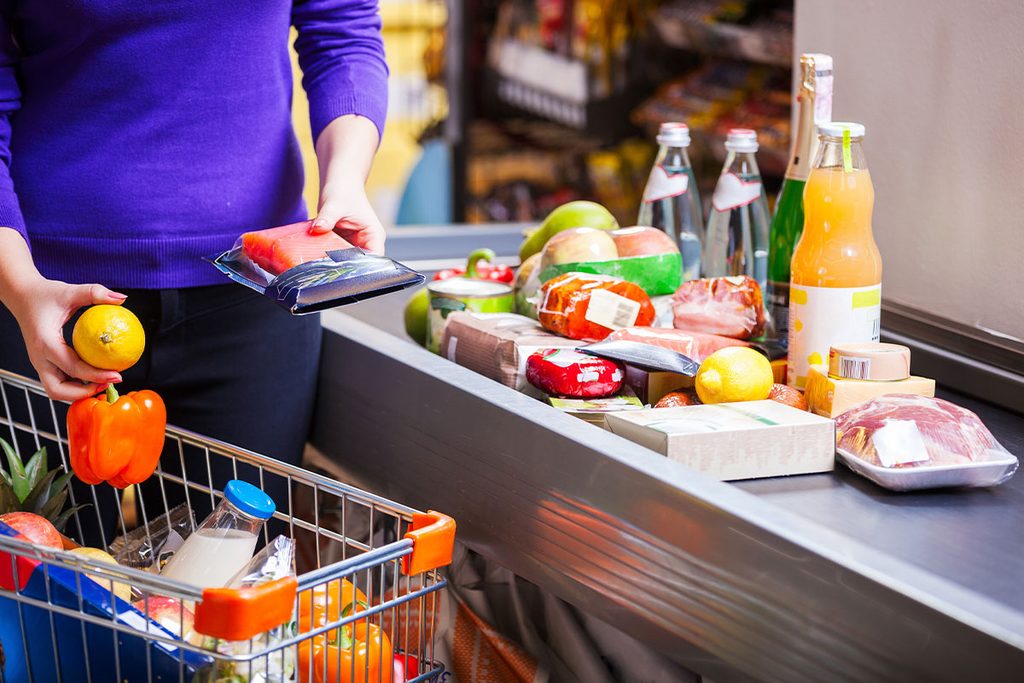
By Carlos Fernandes, do Ongrace

COMPARTILHE
The possibility of climate-related disasters, armed conflicts and cyberattacks, along with escalating geopolitical tensions, has prompted governments in several countries around the world to advise their populations to stock up on food, drinking water, medications and other essential items. The goal is to prepare for potential emergencies that could lead to shortages of basic necessities. All contingency plans include specific guidance on caring for children, older adults, people with physical disabilities and pets.
A survey published by Newsweek magazine in late October shows that countries on different continents are issuing such recommendations. In many cases, contingency measures are not nationwide but are limited to areas or regions affected by events such as environmental disasters. This is the case in the Brazilian state of Paraná. In recent weeks, several cities in the state have been hit by strong winds, severe storms and flooding that have left numerous communities isolated. In response, Civil Defense authorities have advised residents to assemble emergency kits containing water, food, medications, documents, battery-powered radios, flashlights, batteries and cell phone chargers to meet communication needs. Similar measures were adopted in Rio Grande do Sul in 2024, during the worst flooding ever recorded in the state’s history.
Official recommendations vary according to each country’s circumstances. Residents of France, Canada and the United Kingdom are advised to keep enough supplies to last at least one week. In Germany, authorities recommend that citizens be able to sustain themselves for up to 10 days. The European Union has already launched a crisis preparedness program with a 30-point action plan designed to improve member countries’ response capabilities. All these measures take into account the potential disruption of public transportation, emergency medical services and security services.
In Britain, the Red Cross launched the Be Ready campaign, which recommends storing ready-to-eat foods in case water becomes unavailable. The possibility of terrorist attacks on critical infrastructure, such as electricity transmission networks or water supply and telecommunications facilities, is also a concern for European governments — particularly following incidents involving Russia and neighboring countries that belong to the NATO military alliance. Incidents such as drone explosions and attacks on vessels have been reported in Poland, Latvia, Bulgaria and Germany, although Moscow has not claimed responsibility for any deliberate action.
In Japan, an island nation frequently struck by earthquakes — including the 2011 Fukushima disaster, when a powerful earthquake followed by a tsunami triggered a nuclear accident — emergency preparedness programs have long been established. Major cities have extensive open areas designated for evacuation, and the population has developed a culture of surviving disasters that disrupt freight transportation services, supported in part by community response networks.