
A world better prepared against diseases
23/10/2026
ENEM 2026 Candidates Can Now Check Their Exam Locations
05/11/2026
By Carlos Fernandes, from OnGrace
COMPARTILHE
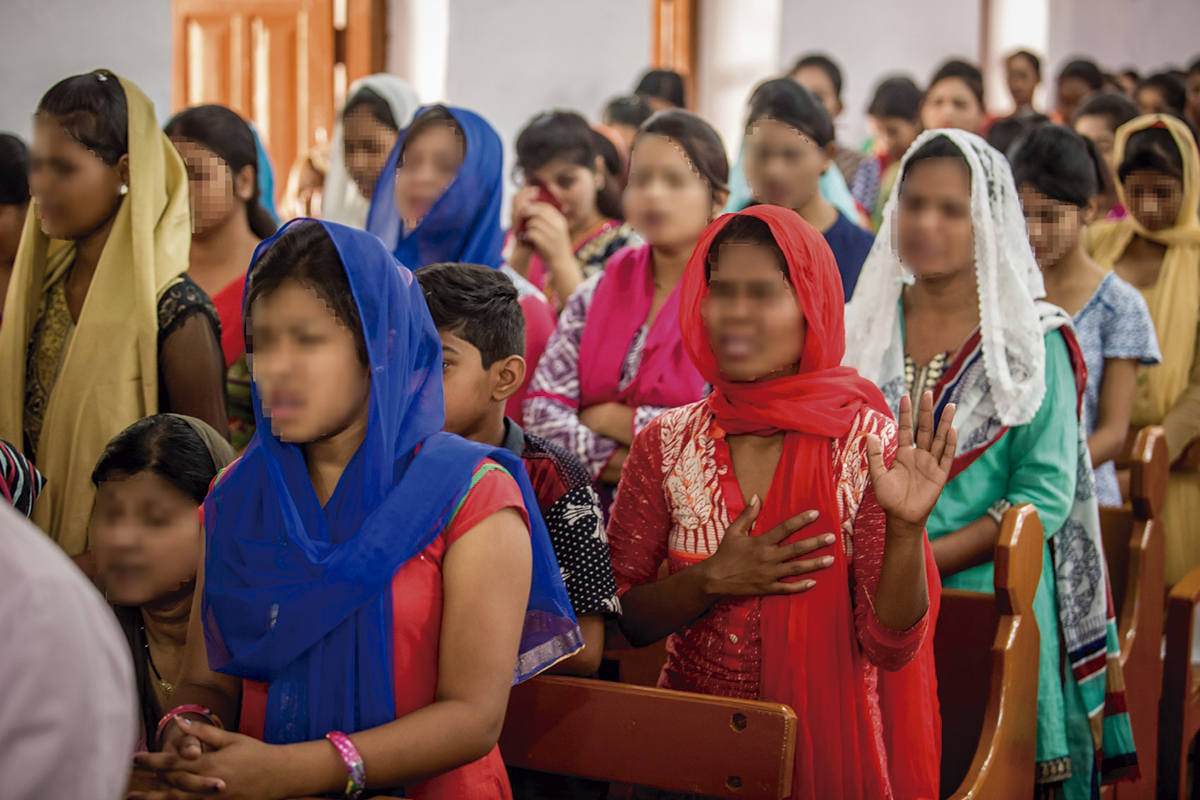
The debate over religious freedom in India has taken another turn. The Legislative Assembly of Goa, a state in southwestern India, has removed the Prohibition of Unlawful Religious Conversion Bill, which was approved in August, from its agenda. Although the legislation has effectively been shelved, civil liberties organizations warn that the proposal has not been abandoned, only postponed, and could return for debate next year, when elections are scheduled to take place. The proposed law is considered one of the country’s strictest measures concerning religion.
The bill was introduced to the Goa government, led by the nationalist Bharatiya Janata Party (BJP), or Indian People’s Party, the same political party as Prime Minister Narendra Modi. Rooted in Hindu nationalism, the party has been responsible for legislative changes that make it more difficult for people to convert to religions outside the traditional beliefs of the world’s most populous country. Under the stated goal of combating what it calls unlawful religious conversion, the proposed legislation included severe penalties, ranging from fines to imprisonment, for anyone who induced another person to change their faith “through force, coercion, undue influence, inducement, fraudulent means or marriage.”
International civil liberties groups and human rights organizations, both within India and abroad, are particularly concerned about the subjective nature of how such cases could be assessed in court. As a minority religion practiced by approximately 2.5% of the population, Christianity is among the faiths that could face difficulties if the law takes effect. For this reason, the Council for Social Justice and Peace and the Goa Catholic Association called for the bill’s withdrawal, describing it as a serious threat to constitutional freedoms and harmony among different religious communities. In India, Hindus account for 80% of the population, while Muslims represent 10%.

According to reports published by Open Doors, an organization that monitors religious freedom and the persecution of Christians worldwide, the proposal temporarily suspended by the Goa Legislative Assembly also sought to establish a system requiring anyone wishing to change their religion to submit a declaration to the district magistrate at least 60 days in advance, stating that the decision was being made voluntarily.
Opposition lawmakers fear that the bill’s eventual passage could fuel instability and religious violence in Goa. They also question the need for such legislation, pointing out that the state, which was once under Portuguese administration, has no documented significant cases of forced religious conversion. Some complaints brought to the authorities were dismissed after investigations found insufficient evidence.